Where I Think AI Belongs in the Creative Process
September 2026
Read Article
↓
↓
Creative AI Insights
I spend quite a bit of time experimenting with AI.
I use it to develop ideas, generate imagery, explore visual directions, solve problems, and automate parts of my workflow. I run an automation studio. I'm involved in AI communities. I'm genuinely excited about what this technology makes possible.
I'm also a photographer and creative director who has spent more than twenty years working with other creative people.
Those two things aren't in conflict for me.
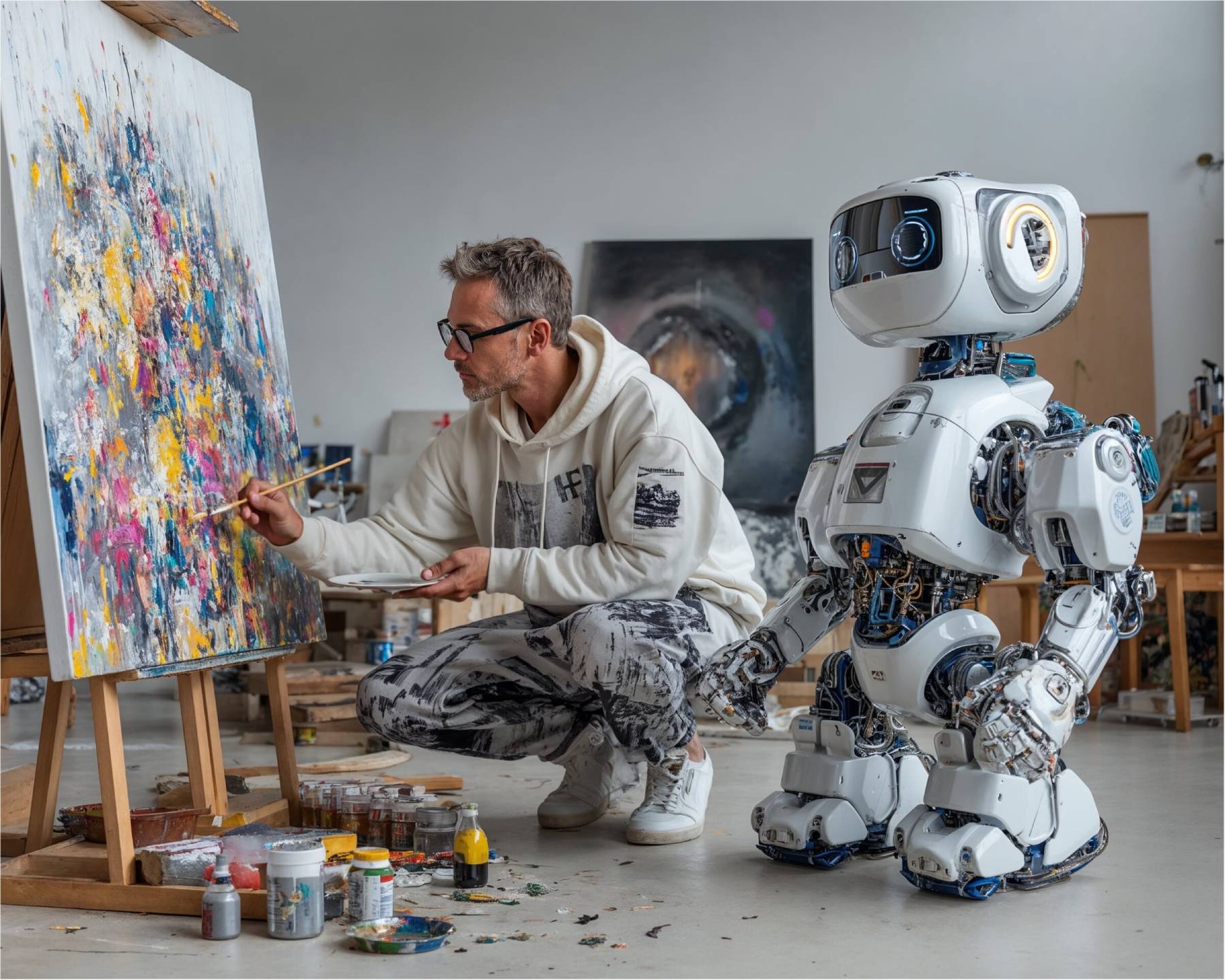
I don't think the most interesting future for AI is one where we use it to remove as many people as possible from the creative process. I'm much more interested in what happens when experienced creatives have access to tools that let them explore ideas they couldn't have explored before.
I've already seen that change my own work.
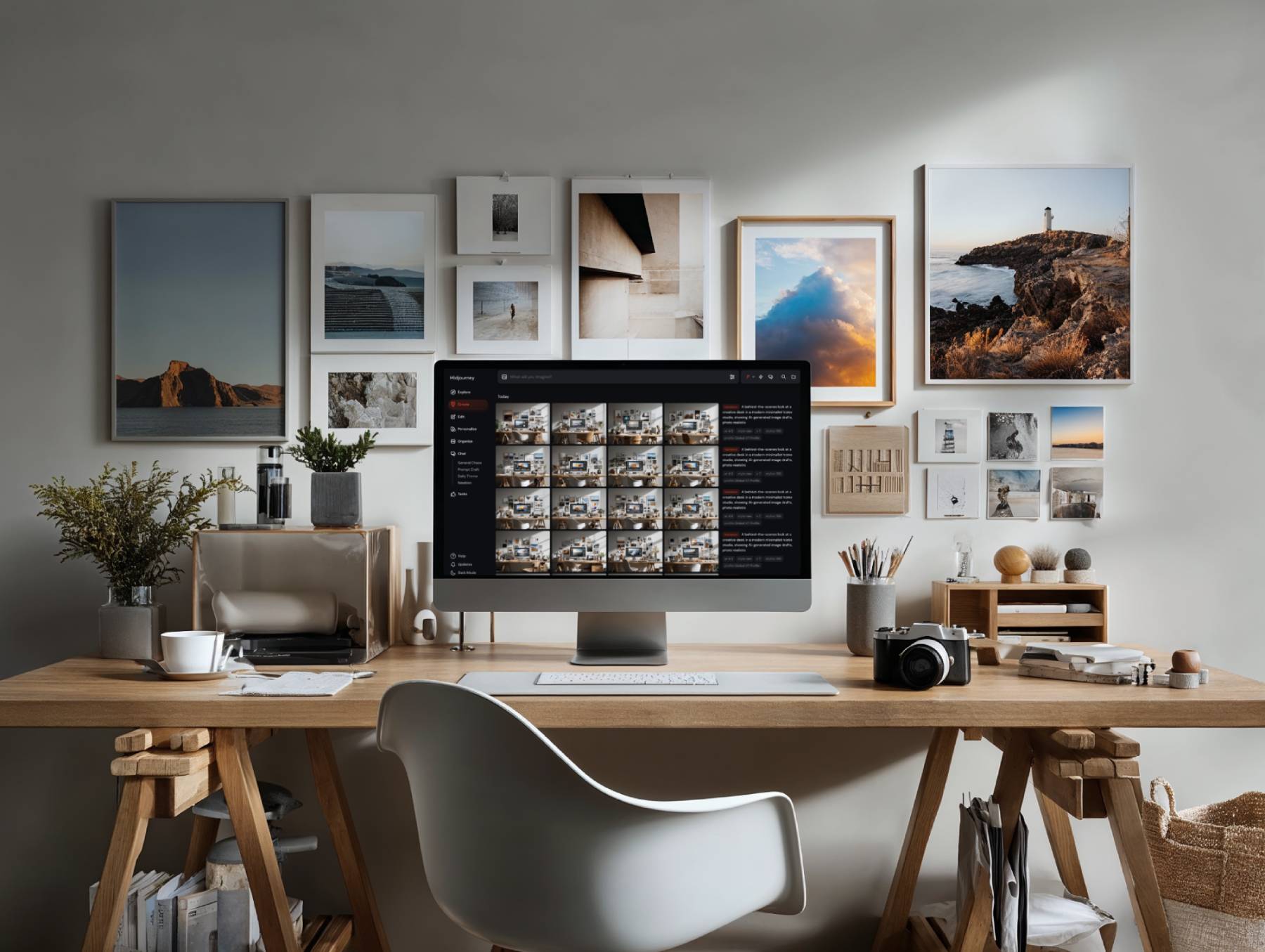
If I have the beginnings of a visual concept, I can explore several directions before deciding which one deserves more attention. I can test an environment or lighting idea before a shoot. I can use an image model to find something unexpected and then carry that idea into photography, motion, editing, or design.
On the operational side, I can automate work that I don't particularly need or want to be doing manually.
Those are very different uses of AI, but I like them for the same reason: they give me more room to concentrate on the creative decisions.
What becomes more important when making gets easier?
We're entering a period where producing an image, a piece of copy, a video, or a prototype can require dramatically less time and technical effort than it once did.
I don't think that makes creative experience less valuable.
I think it changes where the value sits.
When a tool can generate hundreds of images, generating an image isn't necessarily the difficult part anymore.
Which image should exist?
Which one actually supports the idea?
What should it feel like?
What belongs in the frame and what doesn't?
Does it make sense for the brand?
Has something interesting been made, or is it simply polished?
Those are judgment calls.
The tools can participate in the process, but I still want people making those decisions.
Experience doesn't become irrelevant because the tools change
A career in photography has taught me things that aren't contained in a camera.
I've learned how light affects a person's face, how to communicate with someone who isn't comfortable in front of a lens, how to make decisions when a production is running behind schedule, and how an image that looks great on its own can still be wrong for a campaign.
Creative direction taught me something similar.
The work isn't just coming up with ideas. It's deciding which ideas are worth pursuing, helping other people understand the direction, adapting when something doesn't work, and maintaining enough perspective to know when the work is finished.
AI changes how some of that work happens.
It doesn't make those lessons disappear.
I'm interested in augmentation more than replacement
There are plenty of legitimate conversations to have about what AI means for creative employment, intellectual property, training data, compensation, and authorship.
I don't think being enthusiastic about the technology requires ignoring those questions.
My own approach is fairly simple.
If AI helps someone explore an idea, learn something, remove repetitive work, experiment with a medium, or create something they couldn't have created otherwise, I'm interested.
If its only purpose is to produce a cheaper imitation of work that someone would otherwise have hired a creative professional to make, I find that considerably less interesting.
That's partly a professional concern, but it's also a creative one.
People bring context to the work. They bring experiences, references, opinions, taste, mistakes, and the ability to understand another person.
Those qualities influence what gets made.
The role of the creative is changing
I don't know exactly what creative work will look like ten years from now. I don't think anyone does.
What I do know is that I would rather understand these tools than ignore them.
For me, that means experimenting with them, learning where they're useful, recognizing where they aren't, and continuing to build the creative judgment that matters regardless of the technology I'm using.
I'm very pro-AI.
I'm also very pro-creative.
I don't see a reason we have to choose between the two.
SHARE ARTICLE